







Search Results for: coffee farming costs
Analyzing Brazilian Coffee Bean Costs and Prices, Featuring Front Street Queen's Estate Yellow Bourbon Specialty Single-Origin
Brazil, as the world's largest coffee producer, has long been a focus of attention for enthusiasts when it comes to the cost and price of its coffee beans. This article starts with the cost structure of Brazilian coffee and then recommends a highly cost-effective specialty single-origin coffee — Front Street Brazil Queen's Farm Natural Yellow Bourbon. This estate belongs to the renowned Carvalho Dias family and has won numerous COE Cup of Excellence awards. The article provides a detailed introduction to the estate's background, cultivation and processing methods, green bean analysis, roasting curve, cupping flavors, and pour-over parameters, along with suggestions for making iced coffee. Front Street's own-roasted Brazilian coffee beans sell for only 45 yuan for a 227-gram box, with a cost of about 3 yuan per cup — combining quality and value, and suitable for everyday drinking. [more…]
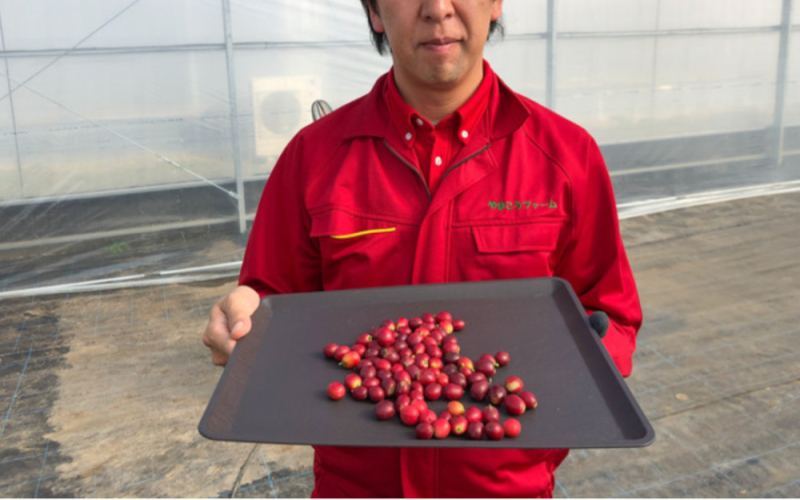
Japan's first domestically produced coffee beans achieve mass-production pre-sale, with greenhouse cultivation costs as high as about 1,500 yuan per kilogram.
Japan has achieved a historic breakthrough by successfully cultivating and harvesting coffee beans on its own soil for the first time. Because Japan's winters are cold, coffee trees struggle to survive in the open air, so this entire batch of coffee cherries was grown in greenhouses at extremely high cost. The person in charge of Yamako Farm had previously gained experience growing tropical crops such as pineapples and mangoes in Okayama City, and this time introduced coffee trees into the same production area. At present, the farm's official website has officially begun preselling this batch of green beans, with a tax-included price of 2,750 yen per 100 grams, equivalent to about 1,500 yuan per kilogram in RMB. Although the price is lower than what some people expected—"sold by the bean"—the yield is extremely small, and the presale sold out instantly, so domestic consumers will likely find it difficult to get their hands on it in the short term. [more…]
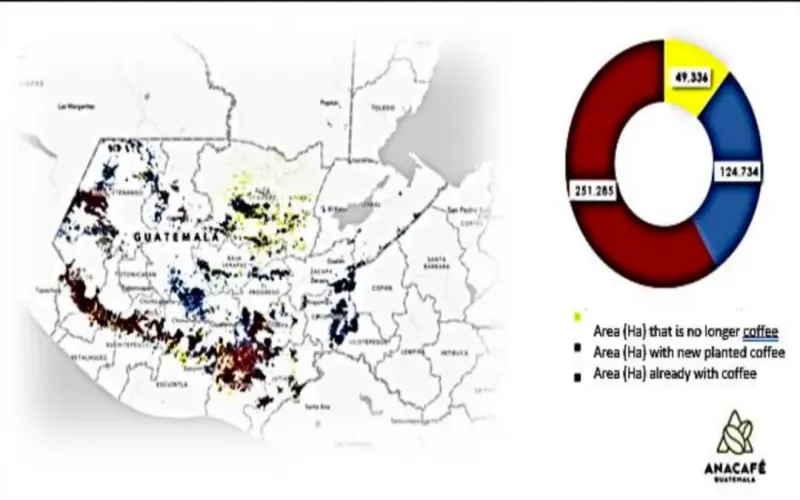
Despite the expansion of coffee-growing areas in Guatemala, smallholder farmers still face the dual challenges of cost and climate
The Guatemalan National Coffee Association (Anacafé) recently released a redrawn coffee map showing that the country's coffee-growing area has expanded, and the structure of large, medium, and smallholder farmers has become clearer. However, the increase in area has not led to higher yields, and smallholders still face challenges such as high fertilizer costs, labor shortages, and inadequate processing facilities. At the same time, the price gap between specialty coffee and commercial coffee continues to narrow, and the upcoming rainy season may be unusually severe due to the influence of La Niña. Anacafé is supporting coffee farmers through extension services and sustainable profitability programs. Front Street Coffee continues to follow developments and flavor performance in Guatemalan producing regions. [more…]
How Much Does Brazilian Coffee Cost? Uncovering the Deep Reasons Behind the Coffee Kingdom's Leading Production Yet Affordable Prices
Brazil, as the world's largest coffee producer, is known for its affordable coffee beans. Front Street Brazil coffee, as an everyday bean, costs only 30 yuan per cup and is widely used in Front Street Classic Espresso Blend, Specialty Espresso Blend, Basic Espresso Blend, and Commercial Blend. Why can Brazilian coffee combine high yield with low price? From its cultivation origins in 1727 to the introduction of the Bourbon variety, from the birth of the pulped natural process to the rise of the Cerrado region, this article will trace the historical development, regional distribution, variety characteristics, and processing methods of Brazilian coffee, and take a closer look at two Front Street Brazilian beans—Red Bourbon and Queen's Farm Yellow Bourbon—covering their flavor differences and brewing recommendations. [more…]

A Full Analysis of Jamaican Blue Mountain Coffee Prices and the Bean Varieties, Grades, and Flavors of Clydesdale Estate
The name Blue Mountain coffee is almost universally known in coffee circles, yet very few people have actually tasted it. A genuine cup of Blue Mountain presents rich notes of chocolate and roasted nuts, with a deep, lustrous black surface, and a smooth, full-bodied mouthfeel in which the acidity, sweetness, and bitterness are perfectly balanced. Front Street Coffee has been officially importing Blue Mountain coffee beans for eleven years now, and a price that was once prohibitively high has become considerably more affordable. Even so, counterfeit Blue Mountain beans continue to flood the market, so let's follow Front Street to figure out what real Blue Mountain coffee beans actually are, and how much is a reasonable price to pay for them. [more…]
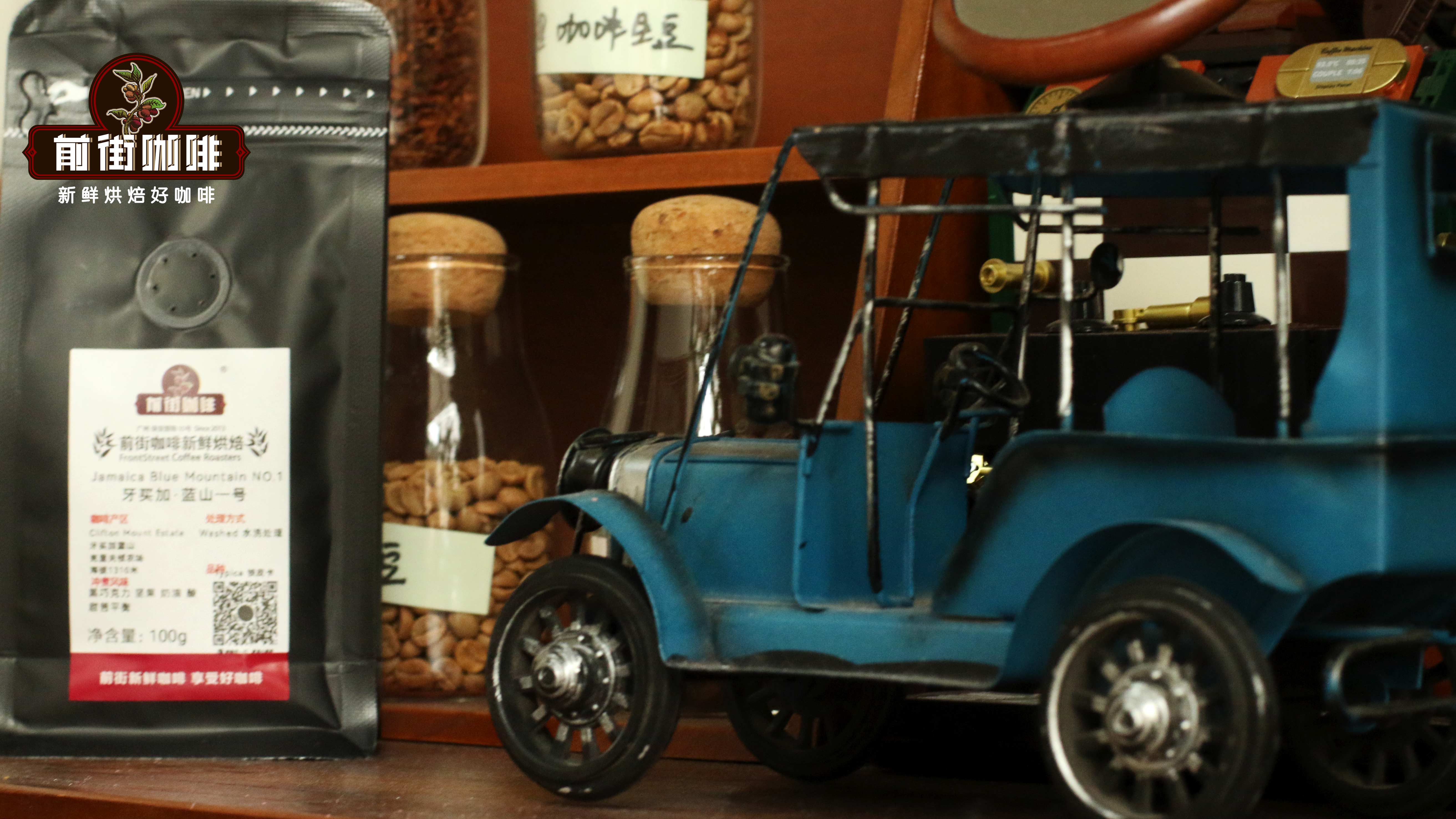
How much does Jamaican Blue Mountain coffee cost domestically? A comprehensive interpretation from price characteristics to authenticity identification
Blue Mountain coffee, once hailed as the "Hermès" of the coffee world, still captivates many coffee lovers to this day. However, outdated claims about its price, origin, and authenticity continue to circulate. Front Street recently heard veteran enthusiasts still insisting that Japan monopolizes Blue Mountain, that No. 1 beans can't be bought domestically, and even that a genuine cup of Blue Mountain could never cost less than 200 yuan. Is that really true? This article will sort it all out from the beginning: what qualifies as authentic Blue Mountain, CIB's strict grading, the evolution of domestic import channels, and the real pricing logic behind the Clifton Farm Blue Mountain coffee sold by Front Street—helping you clear the fog and view Blue Mountain's price and value rationally. [more…]
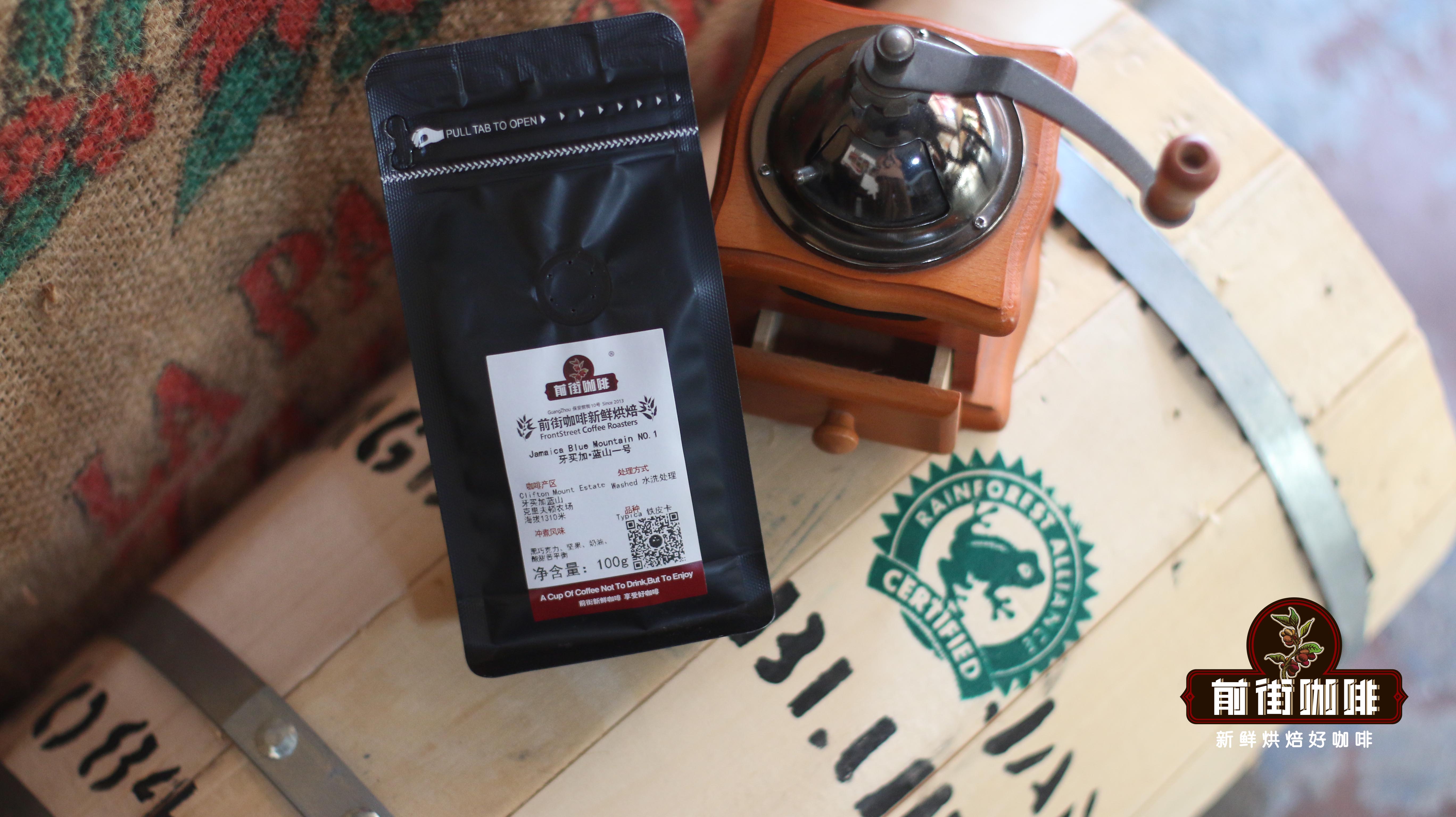
An Analysis of Jamaican Blue Mountain Coffee Bean Prices: How Much Does Authentic Blue Mountain Cost per Jin in China?
Blue Mountain coffee is hailed as the Hermès of the coffee world, but when it comes to its price and authenticity, plenty of outdated and even erroneous information circulates among enthusiasts. Some say Japan has monopolized Blue Mountain and that No. 1 beans are impossible to find domestically; others believe that authentic Blue Mountain costs no less than 300 yuan per cup. What is the truth? This article will start with Blue Mountain coffee's definition of origin, grading system, and import history, combine Front Street Coffee's actual purchasing experience, calculate the real price of Blue Mountain coffee beans for you, and share methods for identifying genuine Blue Mountain. If you also love Blue Mountain's balanced, mellow flavor, it is worth a read. [more…]
Brazilian Coffee Bean Brand Recommendation: A Full Analysis of the Queen Estate of São Paulo Yellow Bourbon Flavor and Pour-Over Parameters
Brazil is the world's largest coffee producer, accounting for about one-third of global output, but why are Brazilian coffee beans generally so inexpensive? From the perspective of Front Street Coffee, this article first reviews Brazil's coffee-growing conditions and cultivation characteristics, then focuses on recommending the Queen Estate coffee beans from Mogiana in São Paulo State, introducing their Yellow Bourbon variety, pulped natural processing method, and flavor profile, along with Front Street Coffee's pour-over brewing parameters and pricing reference, to help coffee lovers gain a comprehensive understanding of this Brazilian specialty coffee that combines sweetness with full body. [more…]
Why Do Indian Darjeeling Black Tea Prices Remain So High? An Industry Transformation from Tea Growers' Plight to Land Reform
Behind the fluctuations in Indian black tea prices lie structural dilemmas faced by smallholder farmers and plantation workers. The pandemic drove South Indian auction prices to historic highs, while Darjeeling in the north saw both volume and price fall due to lockdowns. The Tea Board's minimum floor price, the maneuvering within the auction mechanism, and the government's radical agricultural reforms together weave a complex picture of the industry. Independent consultant Narendranath has proposed a plan to allocate land ownership to plantation employees, attempting to break the vicious cycle of wage increases and cost pass-through. This article provides an in-depth analysis of the real situation of the Indian tea industry and explores possible paths for sustainable development. Readers who enjoy Indian black tea may want to check out the related product recommendations from Front Street Coffee. [more…]
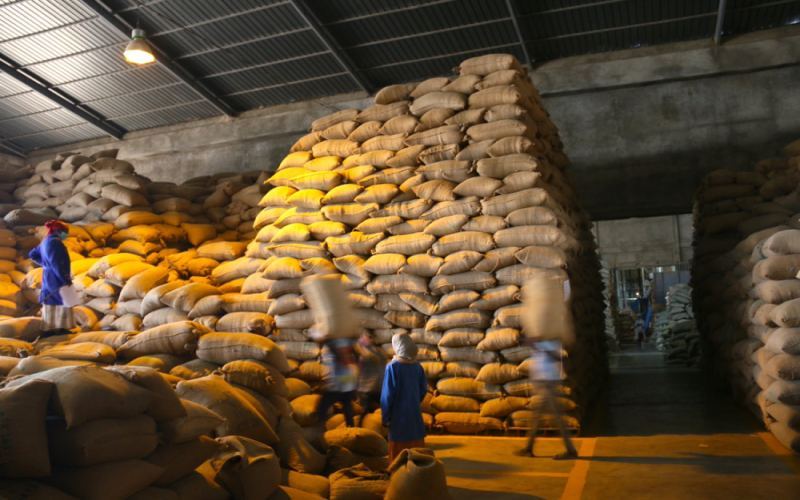
Ethiopia's Three Major Coffee Export Systems and the ECX Trading Mechanism: How Single-Farm Beans Like Hambela Hualukui Reach Overseas Markets
Ethiopia, as the holy land of specialty coffee, has a rather complex coffee export system. According to local regulations, coffee exports are divided into three major systems: ECX bidding, cooperatives, and single farms. Among these, cooperatives and single estates can bypass the ECX and export directly, offering relatively complete traceability. The ECX was founded by Eleni Gabre-Madhin in 2008, and through grading, warehousing, and real-time information, it transformed the trading circumstances of coffee farmers. However, what truly achieves 100% traceability is the single farm system that has risen in recent years. The Sidamo sun-dried Huakui is a representative work from the Hambela farm. This article will sort out the operational differences among the three systems, the trading logic of the ECX, the structure of the six major cooperative unions, and the significance of single farms to specialty coffee. Front Street will also continue to follow these origin developments, bringing coffee enthusiasts clearer origin knowledge. [more…]
Ethiopia Hambela Estate Single-Layer Sun-Dried Slow Fermentation Method: How the SLD Process Creates High-Quality Natural Beans
Ethiopia, as the birthplace of coffee, has seen a continuous emergence of high-quality lots in emerging producing regions such as Guji in recent years. This article focuses on the single-layer sun-dried slow-drying Lot 121 produced by a single farm in St. Lion Village of Front Street Hambela Estate, offering an in-depth analysis of this rare processing method known as SLD—where only a single layer of coffee cherries is spread on raised beds, the drying period is strictly controlled at around 18 days, and the fruit is allowed to fully ferment through the most perfect convection environment, thereby imparting fuller sweetness and body to the coffee beans. The article also examines why Ethiopia's smallholder-dominated production system makes single-farm traceability difficult to achieve, how Hambela Estate owner Aman adheres to quality at extremely high cost, and compares the subtle flavor differences between the Guji region and Yirgacheffe. [more…]
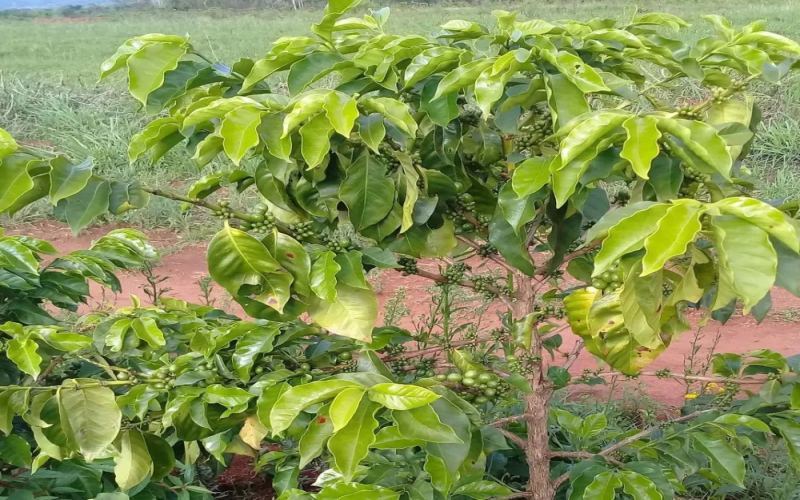
Colombian coffee prices decline amid intensifying competition, importers cut back purchases
In 2023, Colombian coffee prices experienced significant fluctuations, dropping from $2.37 per pound in February to $1.84 in October. The alternating effects of La Niña and El Niño on production, compounded by the pandemic and the Russia-Ukraine war disrupting supply chains, along with the devaluation of the peso driving up farm input costs, created a complex scenario. Meanwhile, importers faced pressures such as expensive credit and rising inflation, with some traders reducing their purchases of Colombian coffee beans by 50% to 60%, turning instead to lower-priced alternatives from Peru, Guatemala, and other origins. However, in the second half of 2023, the peso rebounded, fertilizer prices fell, and weather conditions improved. Production for the 2023/24 season is expected to grow by about 3%, and production in January 2024 increased by 10.5% year-on-year, signaling a potential recovery in market confidence. [more…]
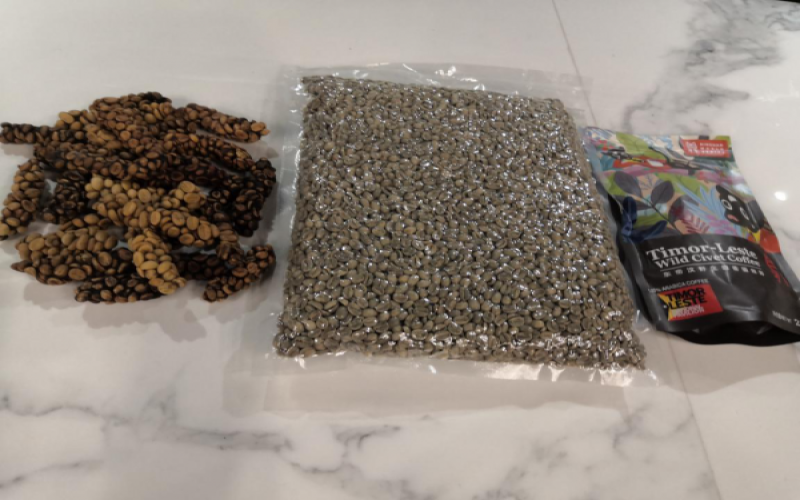
An Analysis of the Real Price of Indonesian Kopi Luwak: Is 396 Yuan per Cup Reasonable, and What Accounts for the Difference Between Wild and Farmed?
Kopi Luwak is celebrated as one of the most expensive coffees in the world. It once sold for US$1,200 per kilogram in the American market, a cup was priced at £50 in London, and during the 2010 Shanghai World Expo it was even marked at a high price of 396 yuan per cup. Yet on Taobao, 100 grams of Kopi Luwak coffee beans sell for only around 200 yuan. This stark price gap leaves many coffee lovers puzzled. What is the real market price of Kopi Luwak? Are the products on Taobao trustworthy? This article will take an in-depth look at the price structure of Kopi Luwak—from the differences between wild and farmed civets, to the civet's unique digestive mechanism, to the price variations brought by different places of origin—to reveal the truth behind this cup of the "royalty of coffee." [more…]
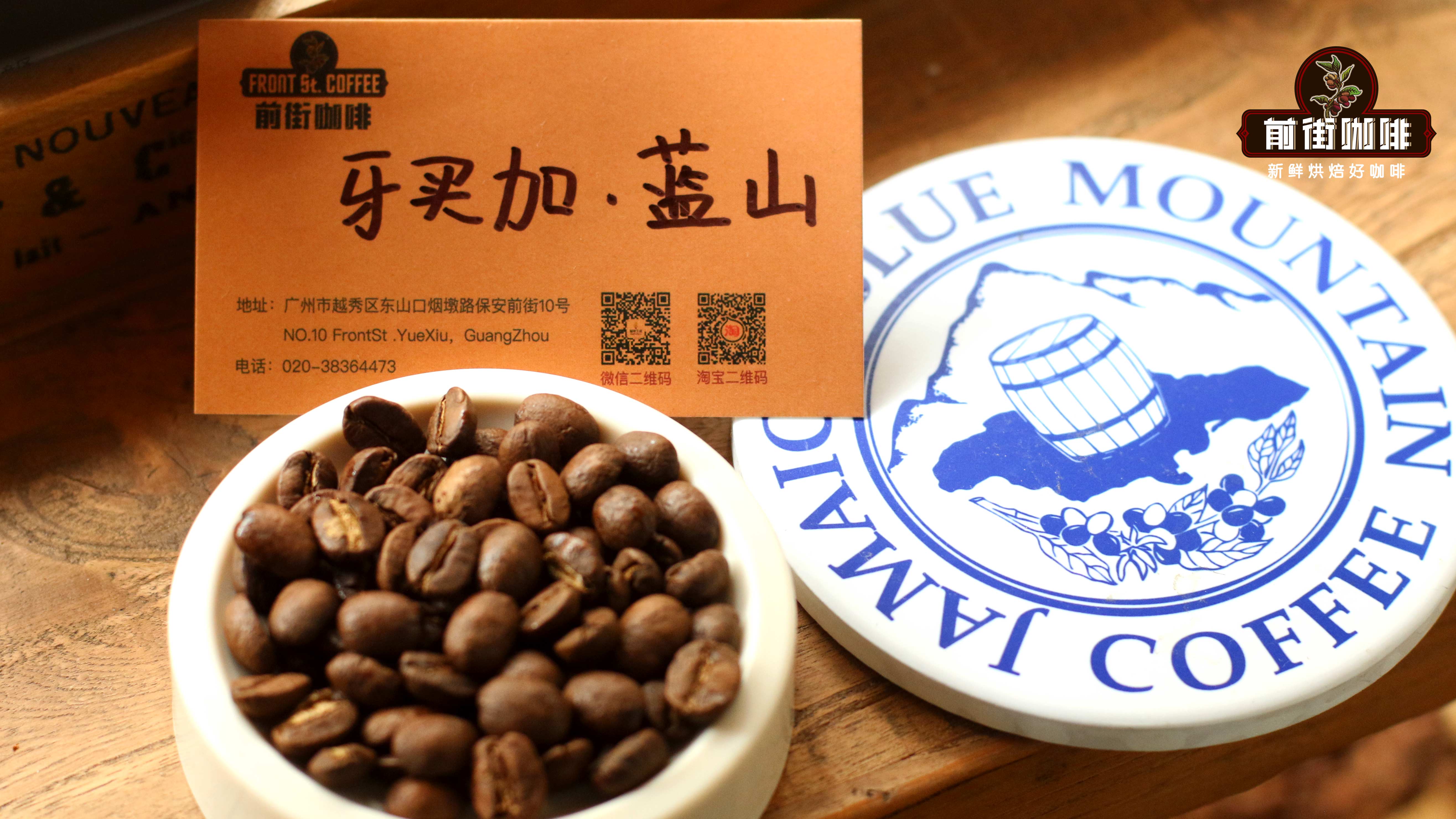
Why Is Panama Geisha Coffee So Expensive? A Full Breakdown of the Cost Per Cup and Flavor of Hacienda La Esmeralda Red Label Geisha
Panama Geisha is hailed as one of the most expensive coffees in the world, with prices that even make Blue Mountain coffee seem affordable. What exactly makes this coffee so precious? From the wild forests of Ethiopia to the volcanic fertile soil of Boquete, Panama, Geisha underwent nearly a century of migration and obscurity, until it won the BOP competition in 2004 and amazed the world. This article will provide an in-depth analysis of the reasons behind Geisha coffee's price, the grading of Hacienda La Esmeralda's Red Label and Green Label, and the high-value Geisha selections recommended by Front Street Coffee. Whether you are a beginner coffee enthusiast or a seasoned expert, you can find the right cup of Geisha for yourself. [more…]
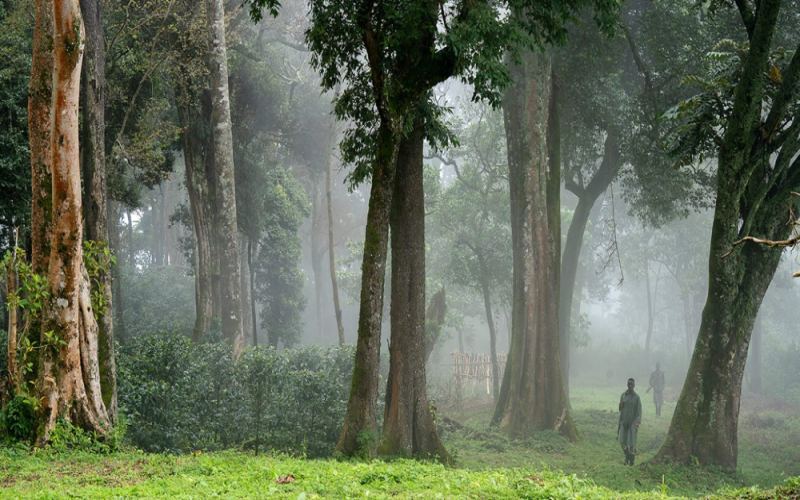
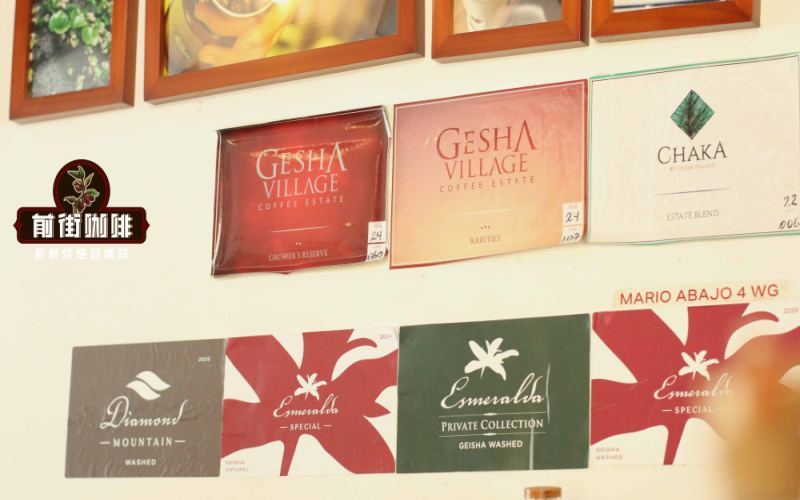
How does the coffee from Gesha Village taste? An analysis of the differences between Gesha Village and the Gesha variety, and its award-winning journey
Geisha coffee has always been most renowned for its Panama origins, and Front Street Coffee's Emerald Estate Red Label and Green Label Geisha are classic choices, but their high prices deter many enthusiasts. At this point, Front Street Coffee's Granja Estate Geisha from Ethiopia offers a cost-effective alternative, combining bright fruit acidity with guava flavors. And when it comes to the origins of Geisha, one cannot fail to mention Gesha Village—this large farm located in southwestern Ethiopia that cultivates only the Geisha variety once set an African bean auction record at $85 per pound. This article will guide you through the rise of Gesha Village, its connection to Panama Geisha, and its remarkable performance in the 2017 international auction. [more…]
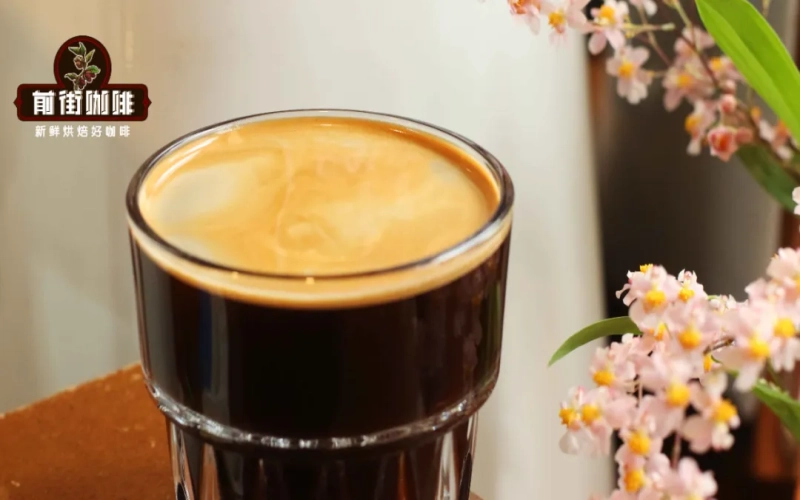
Is Americano Really Black Coffee? Explaining the Differences Between Espresso Diluted with Water and Drip Brewing, and the Reasons Behind the Price Gap
Americano is almost ubiquitous in daily life, but is it actually black coffee? Why is it that even though it's called the same "Americano," the price can range from a few yuan to dozens of yuan, and it can even come with free refills? This article starts with defining the concept, sorting out the multiple meanings of Americano in different contexts, comparing the differences between the two mainstream methods—diluting espresso with water versus brewing with a drip machine—in terms of flavor, consistency, and cost, and, using specific coffee beans such as Front Street Coffee Strawberry Candy espresso and Queen's Estate SOE, explains how the ingredients and extraction method determine the final performance of a cup of Americano. Finally, it explains the fundamental differences in positioning and ingredients among independent shops, chain brands, and free-refill Americanos. [more…]
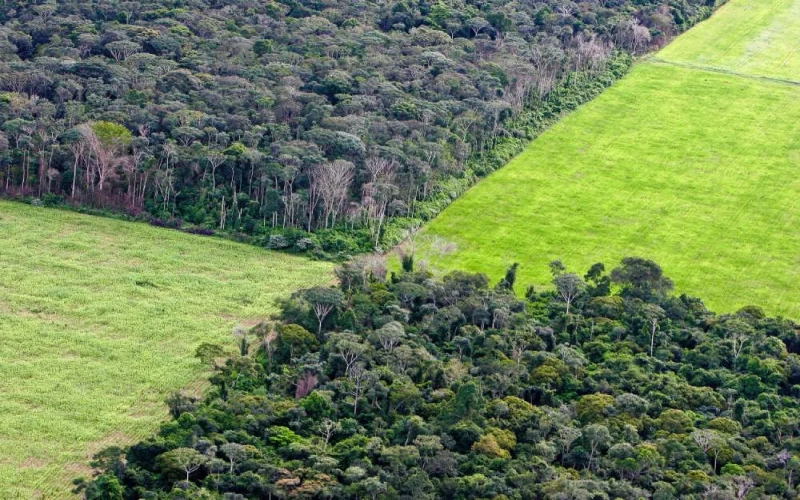
EU Proposes Postponing Deforestation Regulation Implementation and Considering Country-Risk Classification Management
The EU plans to postpone the deforestation regulation (EUDR) originally scheduled to take effect at the end of 2024, and intends to classify countries by risk level, giving producers and traders more time to adapt. The regulation requires traders to prove that their product supply chains do not involve deforestation after December 30, 2020, otherwise imports will be banned. As an industry closely linked to deforestation, the coffee sector will be significantly affected in producing countries such as Vietnam, Brazil, Indonesia, and Colombia, with export costs likely to rise substantially. The European Coffee Federation previously wrote to the European Commission requesting a postponement of implementation. The EU is currently discussing classifying exporting countries into three risk levels—low, standard, and high—with high-risk countries facing stricter scrutiny. Industry insiders worry that the classification system lacks flexibility, may unfairly penalize compliant exporters, and that small farms also face the risk of losing market access. Front Street Coffee will continue to monitor the progress of this regulation and its impact on the coffee industry chain. [more…]
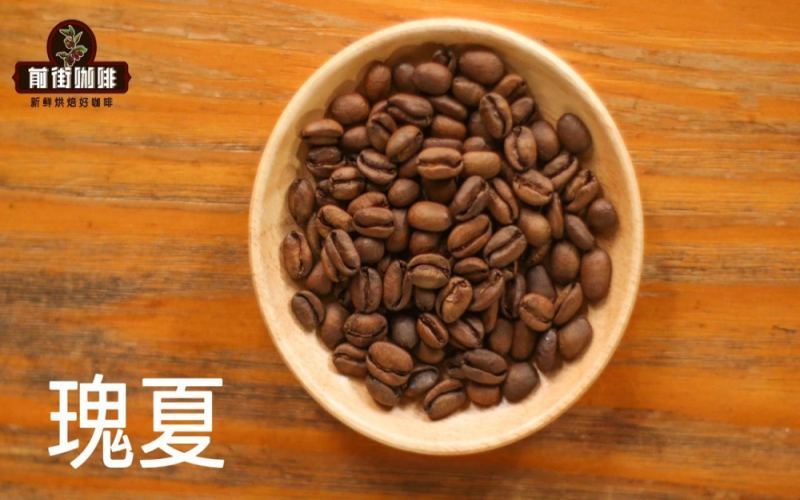
Geisha Coffee Price and Flavor Full Analysis: Panama Emerald Estate Red and Green Label Characteristics and Front Street Brewing Suggestions
Geisha coffee has long been praised as the king of specialty coffee, with prices ranging from a few dozen yuan to over a hundred yuan per cup, underpinned by strict growing conditions and distinctive flavor profiles. This article begins with Geisha's origins and rise to fame, sorts through the flavor differences and price ranges of Panama Hacienda La Esmeralda's Red Label, Green Label, and the Boquete production region, and shares Front Street Coffee's specific recommendations for light roasting and V60 brewing. Whether you want to understand why Geisha is so expensive or are looking for a cost-effective everyday Geisha, you will find practical reference information in this article. [more…]
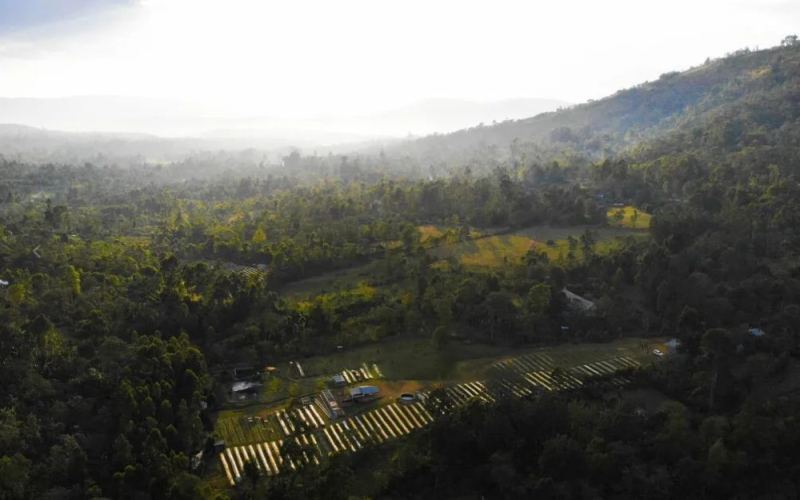
Analysis of the Chaka Lot from Ethiopia's Gesha Village Estate: The Origins and Characteristics of a High-Value Gesha Blend
Ethiopia is the birthplace of coffee, and coffee is also an important source of foreign exchange for the country. More than 4 million farmers nationwide grow coffee using forest coffee and garden coffee models, with only about 10% being estates. Among the many estates, the Gesha Village Coffee Estate in the Bench Maji region is the most well-known. It covers 500 hectares and has its own processing plant and laboratory, mainly cultivating and exporting the Geisha variety. Drawing on the grading system of famous Panamanian estates, the estate divides its coffee into five lots:競標 (Auction), Gold, Red, Green, and Chaka. Among them, the Chaka lot is known for its high cost-effectiveness and stable, large-volume supply. It is a Geisha blend launched by Gesha Village, mixing three varieties: Geisha 1931, Gori Gesha, and Illubabor 1974, accounting for 70% of the annual production. Front Street Coffee will also guide you through the unique charm of this lot. [more…]
A Complete Analysis of Brazilian Coffee Flavor and Origins: Brewing Guide for Cerrado and Mogiana Specialty Beans
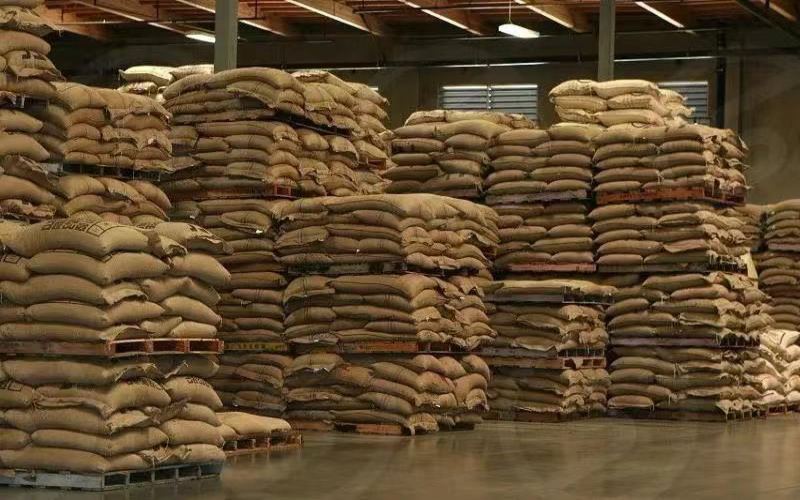
Brazil is the world's number one producer of Arabica coffee, accounting for about thirty percent of global output each year, and its harvest conditions directly influence the direction of international coffee futures prices. Brazilian coffee is known for its full-bodied, balanced taste and nutty-chocolate notes. Though it may not be as refined and bright as Central American beans, it has won over many enthusiasts with its high value for money and solid flavor. This article will systematically review the history of coffee cultivation in Brazil, the distribution of its main producing regions, the characteristics of the two major varieties Red Bourbon and Yellow Bourbon, and the pulped natural processing method developed to suit the local climate. It also includes Front Street Coffee's in-store extraction parameters and flavor descriptions of two beans, Cerrado and Queen's Farm, to help readers gain a comprehensive understanding of what makes Brazilian coffee so appealing. [more…]